Innovations in Storm-Resistant Home Building Materials
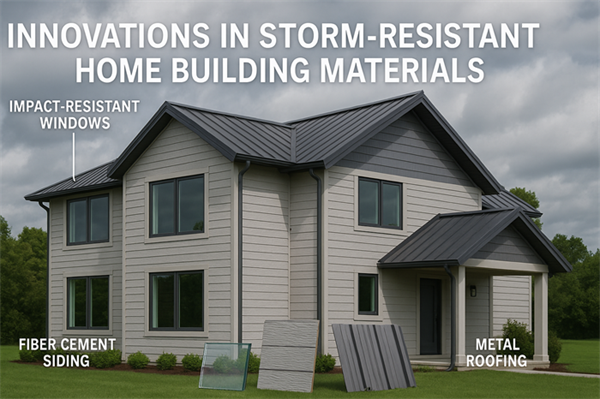
When severe storms hit Zimmerman, homeowners are often left dealing with hail damage, lifted shingles, and unexpected roof leaks.
Today’s storm-resistant building materials offer stronger protection against extreme weather. Options such as polymer-modified asphalt shingles, interlocking metal panels, and reinforced solar-integrated roofing are designed to reduce storm damage and increase the lifespan of the roof. As detailed in Acreage Restoration’s recent guide on commercial roofing systems, modern coatings, and membrane technologies provide added durability and long-term performance.
This article covers five key areas to help you prepare—whether you're considering a full roof replacement or looking to make targeted upgrades. Our expert's insights will help you strengthen your home before the next major storm.
Impact-Resistant Windows and Doors: Shielding Homes from Storm Forces
Impact-resistant windows and doors feature laminated glass and reinforced frames that absorb and dissipate the energy of hail and flying debris.
The multi-layer glass construction prevents shattering and reduces the risk of dangerous projectiles entering the home. Proper installation, featuring heavy-duty frames and secure fastening straps, ensures structural integrity under high wind loads.
These systems also help control pressure differentials by keeping building envelopes sealed during intense gusts, minimizing roof uplift and interior damage. The improved thermal break-in frames enhance energy efficiency while maintaining robust weather resistance. Regular maintenance inspections ensure that seals and hardware remain functional throughout the product's lifespan.
Adopting certified impact-resistant windows reduces the likelihood of water intrusion and structural weakening, significantly lowering repair costs after severe weather events.
Modern Siding Solutions for Enhanced Storm Protection
Fiber cement siding combines cement, sand, and cellulose fibers into panels that resist impact, rot, and warping.
Its Class 3 hail-resistance rating shields exteriors from large hailstones, while specialized coatings guard against UV degradation and moisture infiltration. Engineered wood siding offers a balance between aesthetics and durability through proprietary treatments that repel water and resist mold.
Metal siding options, such as aluminum and steel panels, provide Class 4 impact resistance and high wind ratings, often exceeding 120 mph. Vinyl and insulated vinyl siding products incorporate multi-chamber designs to absorb impact energy and prevent crack propagation. Backed by moisture barriers and rain-screen systems, these materials also reduce the chance of mold growth behind the siding.
Proper flashing, starter strips, and sealing techniques further enhance performance by diverting water away from joints and openings, ensuring a tight building envelope under extreme weather conditions.
Integrating Storm-Resistant Materials in Existing Homes
Retrofitting begins with an assessment of the current structure’s load-bearing capacity and roof pitch.
Overlaying existing shingles with polymer-modified asphalt or mechanically interlocking metal panels can upgrade a roofing system without requiring a full tear-off. For windows, insert impact-resistant glazing into existing frames or replace sashes entirely, minimizing disruption to interior finishes.
Siding retrofits often employ over-cladding methods that involve applying new panels directly over existing ones, thereby preserving the original insulation and vapor barriers. Anchoring systems and reinforced fasteners secure new materials to studs, protecting walls from the elements. For doors, adding storm-rated entry doors or reinforcing existing doors with retrofit kits improves resistance without altering door frames.
Homeowners should coordinate with local authorities to obtain permits and schedule inspections, ensuring compliance with local building codes. The phased implementation allows budgeting flexibility and ensures continuous protection during upgrades, especially in regions with unpredictable weather windows.
Cost-Benefit Analysis of Storm-Resistant Building Materials
Upfront costs for premium materials can be 20–50% higher than standard products.
However, reduced repair expenses and lower insurance premiums often recoup these costs within five to seven years. For example, polymer-modified shingles may cost an extra $1,000–$1,500 on a 2,000 sq ft roof but save $3,000–$5,000 in hail-related repairs over a decade.
Impact-resistant windows and reinforced siding deliver similar returns. Window upgrades can add 1–3% to property value while lowering annual energy bills by up to 15%. Insulated siding panels cost an additional $1–$2 per square foot but yield energy savings and a maintenance-free lifespan exceeding 30 years.
Working with companies like Acreage Restoration to review material options and perform a detailed ROI calculation ensures homeowners make data-driven decisions aligned with long-term resilience goals.
Get Professional Storm-Resistant Solutions
Acreage Restoration combines over a decade of experience with certified installers to deliver turnkey storm-resistant upgrades for roofing, windows, doors, and siding.
Whether you need a full roof replacement with polymer-modified shingles or targeted window retrofits, our team in Zimmerman provides honest assessments and transparent pricing. Call us at 612-401-5911 or reach out online to request a consultation or learn more about protecting your home with advanced materials.